
Kibale is world-renowned for its 13 species of primates. While the Chimpanzee is the star of the show, the forest floor and canopy are alive with activity.
Kibale National Park: Uganda’s Premier Destination for Chimpanzee Trekking
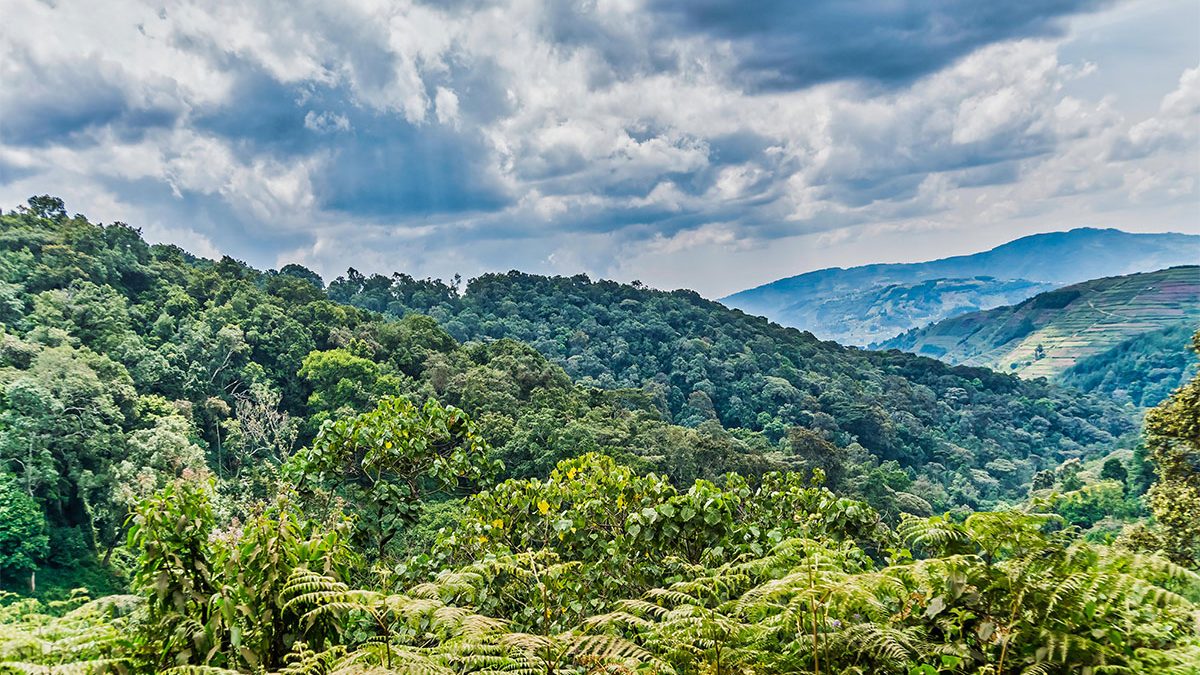
Nestled in western Uganda between the towns of Fort Portal and Kamwenge, Kibale National Park is one of Africa’s most important tropical rainforest ecosystems and the leading destination for chimpanzee trekking in Uganda. Covering approximately 795 square kilometers of lush forest, grassland, wetlands, and woodland habitats, the park is renowned for its remarkable biodiversity and its status as the primate capital of East Africa.
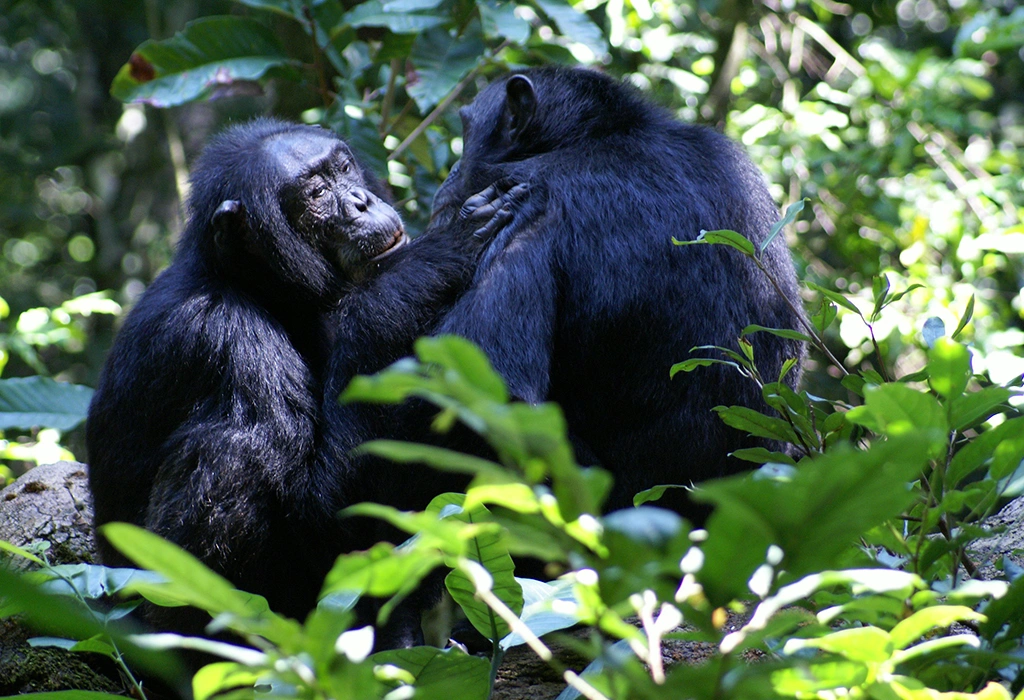
For many travelers, Kibale National Park is synonymous with chimpanzee trekking. The park protects one of the largest populations of wild chimpanzees in Africa, offering visitors a rare opportunity to observe these intelligent primates in their natural environment. Guided chimpanzee treks take visitors deep into the forest where they can watch chimpanzees feeding, playing, communicating, and moving through the canopy. This unforgettable experience has made Kibale one of the most sought-after safari destinations in Uganda.
Beyond chimpanzees, Kibale National Park Uganda is home to an impressive diversity of wildlife. The forest supports 13 species of primates, including black-and-white colobus monkeys, red colobus monkeys, L’Hoest’s monkeys, blue monkeys, grey-cheeked mangabeys, olive baboons, and vervet monkeys. This exceptional concentration of primates is unmatched anywhere else in East Africa, making the park a paradise for wildlife enthusiasts, photographers, researchers, and nature lovers.
The park is equally rewarding for birdwatchers. More than 375 bird species have been recorded within the forest and surrounding habitats, including several Albertine Rift endemics that attract birding enthusiasts from around the world. The combination of dense rainforest, wetlands, and forest edges creates ideal conditions for a remarkable variety of birdlife.
One of the reasons many travelers choose Kibale National Park is its accessibility and ability to complement other safari destinations. The park is often combined with Queen Elizabeth National Park, Bwindi Impenetrable National Park, Semuliki National Park, and the crater lakes region, creating diverse Uganda safari itineraries that include primates, wildlife, birdwatching, and spectacular scenery.
In addition to wildlife experiences, Kibale offers visitors the chance to explore beautiful forest trails, community tourism projects, and nearby attractions such as Bigodi Wetland Sanctuary, a renowned eco-tourism site famous for birdwatching and monkey sightings. These activities provide a deeper understanding of the region’s biodiversity while supporting local conservation initiatives.
Whether you are planning a dedicated chimpanzee trekking safari in Uganda, a birdwatching adventure, or a broader wildlife expedition, Kibale National Park delivers an extraordinary combination of primate encounters, rich biodiversity, and unforgettable rainforest experiences. Its unique ecosystem, abundant wildlife, and world-class chimpanzee trekking opportunities continue to make it one of the most rewarding national parks in Africa and a must-visit destination for travelers exploring Uganda.
Top Things to Do in Kibale National Park
Kibale National Park is best known for its exceptional primate experiences, but there is far more to explore than chimpanzee trekking alone. From guided forest walks and birdwatching excursions to cultural encounters and wetland adventures, the park offers a variety of activities that appeal to nature lovers, wildlife enthusiasts, photographers, and adventure travelers. Whether visiting for a day or as part of a longer Uganda safari, there are plenty of memorable experiences to enjoy in and around the forest.
Chimpanzee Trekking
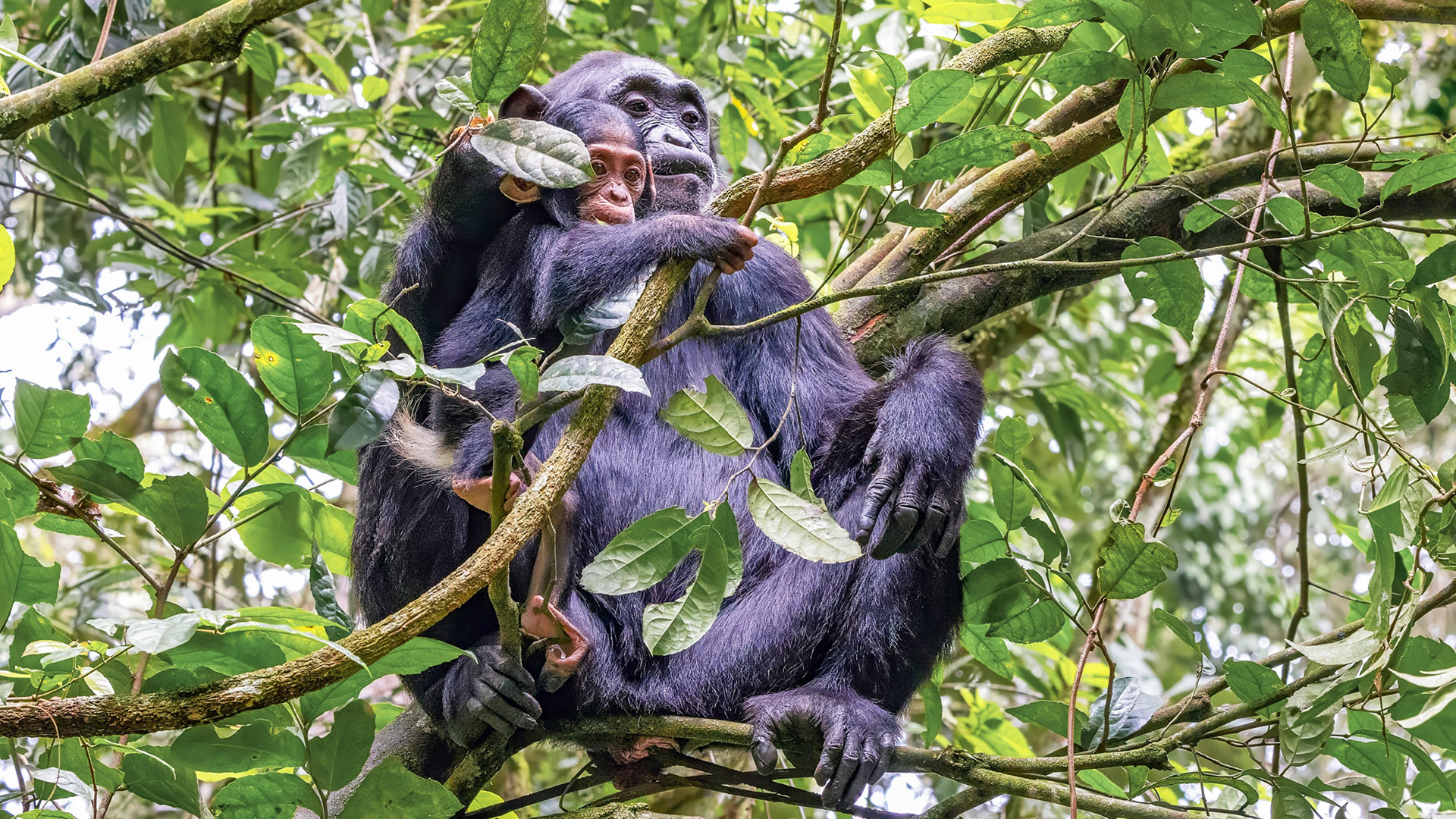
Chimpanzee trekking is the most popular activity in Kibale National Park and the main reason many travelers visit the region. Accompanied by experienced ranger guides, visitors venture into the tropical rainforest in search of habituated chimpanzee communities. Once located, guests spend one hour observing the chimpanzees as they feed, groom, communicate, and interact within their natural habitat.
The experience offers a unique opportunity to witness one of humanity's closest relatives in the wild and is widely regarded as one of the best primate encounters in Africa.
Chimpanzee Habituation Experience
For visitors seeking a more immersive primate experience, the Chimpanzee Habituation Experience allows participants to spend extended time with a chimpanzee community that is undergoing the habituation process. Unlike standard trekking, this activity offers several hours in the forest alongside researchers, guides, and trackers.
The experience provides deeper insight into chimpanzee behavior, communication, feeding patterns, and social structures, making it especially rewarding for wildlife enthusiasts and photographers.
Bigodi Wetland Sanctuary Walk
Located on the outskirts of Kibale National Park, Bigodi Wetland Sanctuary is one of Uganda's most successful community-based tourism projects. Guided walks through the wetland provide excellent opportunities to spot monkeys, birds, butterflies, and a variety of wetland species.
The sanctuary is particularly popular among birdwatchers and visitors interested in conservation and community tourism. Revenue generated from tourism supports local development and environmental protection initiatives.
Birdwatching
Kibale National Park is one of Uganda's premier birding destinations, with more than 375 recorded bird species. The forest and surrounding wetlands provide habitats for a wide variety of birds, including several species that are difficult to find elsewhere.
Birdwatching excursions can be conducted within the forest, around Bigodi Wetland Sanctuary, and in nearby habitats, offering rewarding opportunities for both experienced birders and casual nature enthusiasts.
Guided Forest Nature Walks
Nature walks allow visitors to experience the rainforest beyond the search for chimpanzees. Accompanied by knowledgeable guides, guests explore forest trails while learning about medicinal plants, giant trees, insects, butterflies, reptiles, and the ecological importance of the rainforest ecosystem.
These walks offer a slower and more intimate way of appreciating the incredible biodiversity that makes Kibale National Park so unique.
Monkey and Primate Watching
While chimpanzees are the star attraction, Kibale is also home to a remarkable diversity of other primates. Visitors often encounter black-and-white colobus monkeys, red-tailed monkeys, blue monkeys, grey-cheeked mangabeys, olive baboons, and L'Hoest's monkeys during guided activities.
The opportunity to see multiple primate species in a single day is one of the reasons Kibale is known as the primate capital of East Africa.
Crater Lake Tours
The scenic crater lakes surrounding Kibale Forest provide a beautiful contrast to the dense rainforest. Guided excursions allow visitors to explore rolling hills, volcanic crater lakes, local villages, and spectacular viewpoints overlooking the countryside.
These tours are ideal for photography, sightseeing, and travelers seeking a relaxing activity between wildlife experiences.
Cultural and Community Experiences
Visitors can gain a deeper understanding of local culture through community visits organized around the park. These experiences may include traditional dance performances, local craft demonstrations, farming activities, storytelling sessions, and opportunities to learn about daily life in surrounding communities.
Cultural encounters provide meaningful interaction with local people while supporting community tourism initiatives.
Photography and Wildlife Viewing
Kibale National Park offers outstanding opportunities for photography, particularly for those interested in primates, birds, rainforest landscapes, and macro photography. The combination of dense forest, rich biodiversity, and scenic surroundings creates countless opportunities for capturing memorable images.
With its exceptional variety of activities, Kibale National Park offers far more than chimpanzee trekking alone. From primate encounters and birdwatching to nature walks and cultural experiences, the park provides visitors with one of Uganda's richest and most rewarding wildlife destinations.
Wildlife in Kibale National Park
Kibale National Park is one of the most biodiverse protected areas in Uganda and is internationally recognized for its extraordinary concentration of primates. The park's tropical rainforest, wetlands, grasslands, and woodland habitats support a rich variety of wildlife, making it one of the best destinations in Africa for nature enthusiasts and wildlife lovers.
Primates of Kibale National Park
The greatest attraction of Kibale National Park is its impressive primate population. The park is home to 13 recorded primate species, giving it the highest primate diversity in Uganda and one of the highest concentrations in Africa.
Chimpanzees are undoubtedly the park's most famous residents. With over 1,500 chimpanzees living within the forest ecosystem, Kibale offers some of the most reliable chimpanzee trekking experiences on the continent. Visitors regularly encounter habituated chimpanzee groups during guided treks, making the park the leading destination for chimpanzee tourism in Uganda.
In addition to chimpanzees, the forest supports several monkey species including black-and-white colobus monkeys, red colobus monkeys, red-tailed monkeys, blue monkeys, vervet monkeys, olive baboons, grey-cheeked mangabeys, and L'Hoest's monkeys. These primates are frequently observed during forest walks, chimpanzee treks, and birdwatching excursions.
Mammals of Kibale National Park
Although the dense forest makes wildlife viewing different from traditional savannah safaris, Kibale National Park is home to more than 70 mammal species. Many of these animals remain hidden within the forest, creating an exciting sense of discovery for visitors exploring the park.
Forest elephants occasionally move through the deeper sections of the park, while buffaloes are found in some areas near the forest edge. Other mammals include bushbucks, duikers, giant forest hogs, bush pigs, civets, mongooses, and several species of bats.
While large mammal sightings are less common than primate encounters, the diversity of species contributes significantly to the park's ecological importance.
Birdlife in Kibale National Park
Kibale National Park is also one of Uganda's premier birdwatching destinations. More than 375 bird species have been recorded within the park and its surrounding habitats, attracting bird enthusiasts from around the world.
The combination of mature rainforest, secondary forest, wetlands, and forest edges creates ideal conditions for a remarkable variety of bird species. Visitors may encounter colorful turacos, hornbills, kingfishers, barbets, sunbirds, flycatchers, and numerous forest specialists during guided birding excursions.
The nearby Bigodi Wetland Sanctuary further enhances the region's birdwatching appeal by providing habitat for additional wetland and migratory species.
Reptiles, Butterflies, and Other Wildlife
Beyond mammals and birds, Kibale National Park supports a wide variety of reptiles, amphibians, insects, and butterflies. The forest's rich ecosystem provides ideal conditions for hundreds of butterfly species, many of which can be seen along forest trails and clearings.
Visitors exploring the park may also encounter colorful frogs, chameleons, geckos, and other small creatures that contribute to the incredible biodiversity of the region.
Why Kibale National Park Is a Wildlife Paradise
What makes Kibale National Park truly unique is the diversity of wildlife that exists within a relatively compact area. Few destinations in Africa offer the opportunity to observe so many primate species alongside rich birdlife and a healthy tropical rainforest ecosystem.
Whether you are tracking chimpanzees through ancient forest trails, watching monkeys move through the canopy, searching for rare birds, or simply enjoying the sounds of the rainforest, Kibale National Park delivers an unforgettable wildlife experience that showcases the remarkable natural heritage of Uganda.
Best Time to Visit Kibale National Park
Kibale National Park is open throughout the year, making it possible to enjoy chimpanzee trekking, birdwatching, nature walks, and other activities in every season. However, weather conditions can influence trail conditions, wildlife viewing experiences, and overall comfort during your visit. Understanding the different seasons can help travelers choose the most suitable time for their safari.
Dry Season (December to February and June to September)
The dry seasons are generally considered the best time to visit Kibale National Park. During these months, rainfall is lower, forest trails are drier, and trekking conditions are more comfortable. The reduced vegetation can also improve visibility when searching for chimpanzees and other wildlife within the forest.
Chimpanzee trekking remains the main attraction during the dry season, and many visitors prefer this period because hiking is often easier and photography conditions are generally better. The pleasant weather also makes it an excellent time for nature walks, crater lake tours, and cultural experiences around the park.
Because these months are popular for tourism, accommodation and chimpanzee permits should be booked well in advance, especially during peak travel periods.
Wet Season (March to May and October to November)
The rainy seasons transform Kibale Forest into a lush green paradise. Although trails can become muddy and trekking may be more challenging, the forest is exceptionally beautiful during these months. The vegetation is vibrant, water sources are abundant, and the park feels particularly alive.
Birdwatching is often at its best during the wet season as resident and migratory bird species are highly active. Photographers also appreciate the rich colors and dramatic forest scenery created by the rains.
Travelers visiting during the rainy season may benefit from fewer visitors in the park, creating a more exclusive experience on forest trails and at major attractions.
Best Time for Chimpanzee Trekking
Chimpanzee trekking is available year-round, and successful sightings are achieved throughout the seasons. While the dry months offer easier hiking conditions, chimpanzees can be tracked successfully during both dry and wet seasons thanks to the expertise of trained guides and trackers.
For visitors whose primary goal is chimpanzee trekking, any time of year can provide an excellent experience, provided they are prepared for changing forest conditions.
Best Time for Birdwatching
Birdwatchers can enjoy rewarding experiences throughout the year, but the period between November and April is particularly attractive due to the presence of migratory bird species. Combined with the park's resident forest birds, this creates excellent opportunities for birding enthusiasts seeking a diverse range of sightings.
The nearby Bigodi Wetland Sanctuary further enhances birdwatching opportunities during this period.
Month-by-Month Travel Overview
| Period | Conditions | Best For |
|---|---|---|
| December – February | Dry and sunny | Chimpanzee trekking, nature walks, photography |
| March – May | Wet and lush | Birdwatching, scenery, fewer visitors |
| June – September | Dry and comfortable | Chimpanzee trekking, wildlife activities |
| October – November | Green and refreshing | Birdwatching, photography, forest experiences |

Ready to Visit Kibale National Park?
Contact us today and let our expert team help you plan the perfect safari adventure.
Request a Quote